

The Allure of Gambling: What Draws Players In
Gambling has a magnetic pull that attracts millions of players to casinos worldwide. This allure can be attributed to the thrill of risk and reward; individuals often feel an adrenaline rush when engaging in games of chance. The unpredictable nature of gambling offers an exciting escape from everyday life, and the possibility of winning big adds an extra layer of excitement. This psychological aspect is deeply rooted in human nature, where the prospect of achieving something extraordinary can motivate individuals to take risks. Platforms like PokiesGG provide a perfect environment for such thrills.

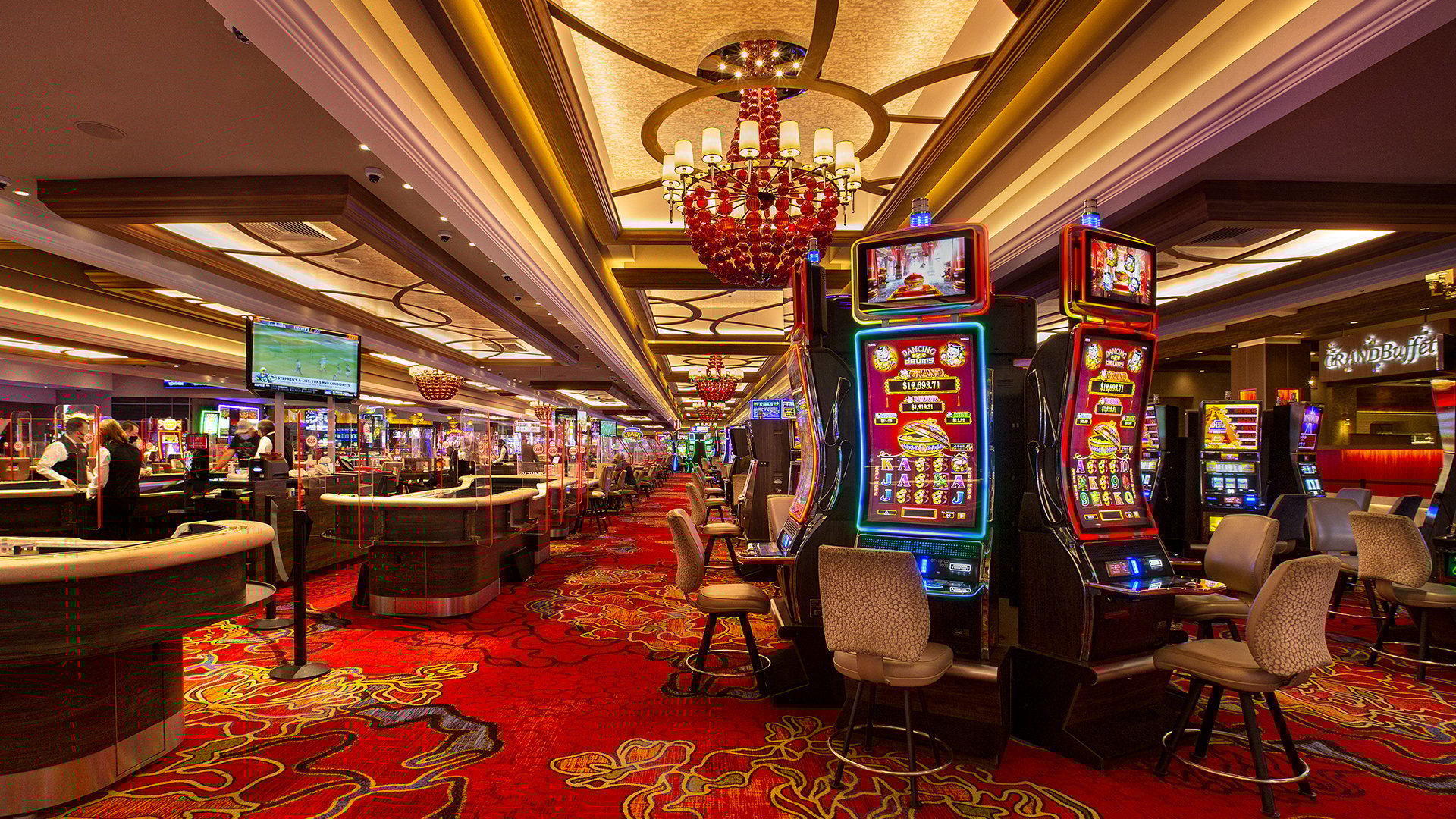
Moreover, casinos are meticulously designed environments that enhance this allure. Bright lights, vibrant colors, and the sound of coins clinking create a sensory-rich atmosphere that stimulates excitement and engagement. Players often find themselves immersed in this unique world, where time seems to fly, and reality fades away. These architectural designs are intentional, crafted to prolong the gambling experience and encourage players to keep wagering. This immersive environment plays a significant role in shaping gambling behavior.
Additionally, social factors contribute to the attraction of casino gambling. Many players enjoy the camaraderie of playing alongside others, sharing in the collective highs and lows of wins and losses. The social aspect often transforms gambling into a communal activity, where individuals feel a sense of belonging and connection. This interaction can amplify emotional responses, further reinforcing the desire to engage in gambling behaviors as a way to bond and socialize.
Cognitive biases significantly influence gambling behavior, leading players to make decisions based on irrational thoughts. One common bias is the "gambler's fallacy," where individuals believe that past outcomes will affect future results. For example, a player may think that after several losses, a win is due, leading them to place more bets. This fallacy often blinds players to the true nature of games of chance, where each outcome is independent of previous results.
Another prevalent cognitive bias is overconfidence, where players mistakenly believe they have more control over outcomes than they actually do. This can lead individuals to engage in risky behaviors, such as increasing bets based on their perceived skill level or intuition. This overconfidence can result in significant losses, as players fail to recognize that games like slots and roulette rely primarily on luck rather than skill. Understanding these cognitive biases can help individuals recognize their tendencies and make more informed choices.
Moreover, the confirmation bias plays a role in reinforcing gambling behavior. Players often seek out information that supports their winning strategies while ignoring evidence that contradicts their beliefs. This selective attention can lead to persistent gambling habits, even in the face of losses. By acknowledging these cognitive biases, individuals can develop a more rational understanding of their gambling behaviors and potentially mitigate adverse outcomes.
Emotions play a critical role in gambling, influencing both decision-making and behavior. Many players turn to gambling as a coping mechanism for stress, anxiety, or depression. The temporary thrill of winning or the distraction of gameplay can provide an escape from negative feelings, leading individuals to gamble more frequently. This emotional reliance can create a cycle of gambling, where players use it as a method to manage their emotional states.
Furthermore, the euphoric feeling that accompanies winning can create a powerful emotional attachment to gambling. When players win, their brains release dopamine, a neurotransmitter associated with pleasure and reward. This chemical response reinforces the behavior, making individuals more likely to return to gambling in search of that same high. The emotional rollercoaster of wins and losses can further intensify this attachment, leading players to chase their losses in hopes of recapturing that initial thrill.
Conversely, losses can also evoke strong emotions, often resulting in frustration or despair. This emotional turmoil may drive players to increase their bets in an attempt to recover losses, leading to a dangerous cycle of chasing losses. Understanding the emotional aspects of gambling can help individuals develop healthier coping strategies and recognize when gambling is no longer a source of enjoyment but a harmful behavior.
The physical and social environment of a casino can heavily influence gambling behavior. Casinos are strategically designed to create an atmosphere that encourages prolonged play. This includes the layout of gaming areas, the availability of complimentary drinks, and the absence of clocks. Such design choices minimize distractions and create an immersive experience where players feel compelled to stay and gamble longer.
Additionally, the presence of other players can significantly affect one’s gambling decisions. In a busy casino, the energy and excitement of surrounding players can create a sense of urgency and competition, prompting individuals to gamble more than they intended. The social pressure to conform to the behaviors of others can push players to take risks or engage in higher betting amounts, further influencing their gambling behavior.
Moreover, the accessibility of casinos contributes to gambling habits. With the rise of online casinos, players can now gamble from the comfort of their homes, often leading to increased frequency and intensity of gambling. This convenience can obscure the boundaries between casual play and problematic gambling, making it essential for individuals to recognize their limits and maintain a healthy relationship with gambling.
Discovering Responsible Gambling at Online Casinos
For players looking to explore the world of gambling while prioritizing responsible practices, platforms like PokiesGG Australia offer a safe and user-friendly environment. With over 2,600 games, including pokies, table games, and live dealer options, players can enjoy a diverse gaming experience while having access to essential tools for responsible gambling. The website features resources to promote safe gambling practices, empowering players to make informed decisions.
Additionally, PokiesGG provides daily promotions, cashback opportunities, and a generous welcome bonus, making it an appealing choice for both new and experienced players. The site's commitment to player safety ensures that individuals can focus on enjoying their gaming experience without compromising their well-being. With multiple secure banking options and a responsive customer support team available 24/7, players can feel confident while playing online.
In summary, understanding the psychology behind gambling behavior is crucial for developing a healthy relationship with gambling. Players at PokiesGG can explore a wide range of games while benefiting from a supportive community that values responsible gaming practices. By recognizing the emotional, cognitive, and environmental factors influencing their behavior, individuals can make better choices and enjoy gambling as a form of entertainment rather than a source of stress.
```